Shifting Scales with Puppetry
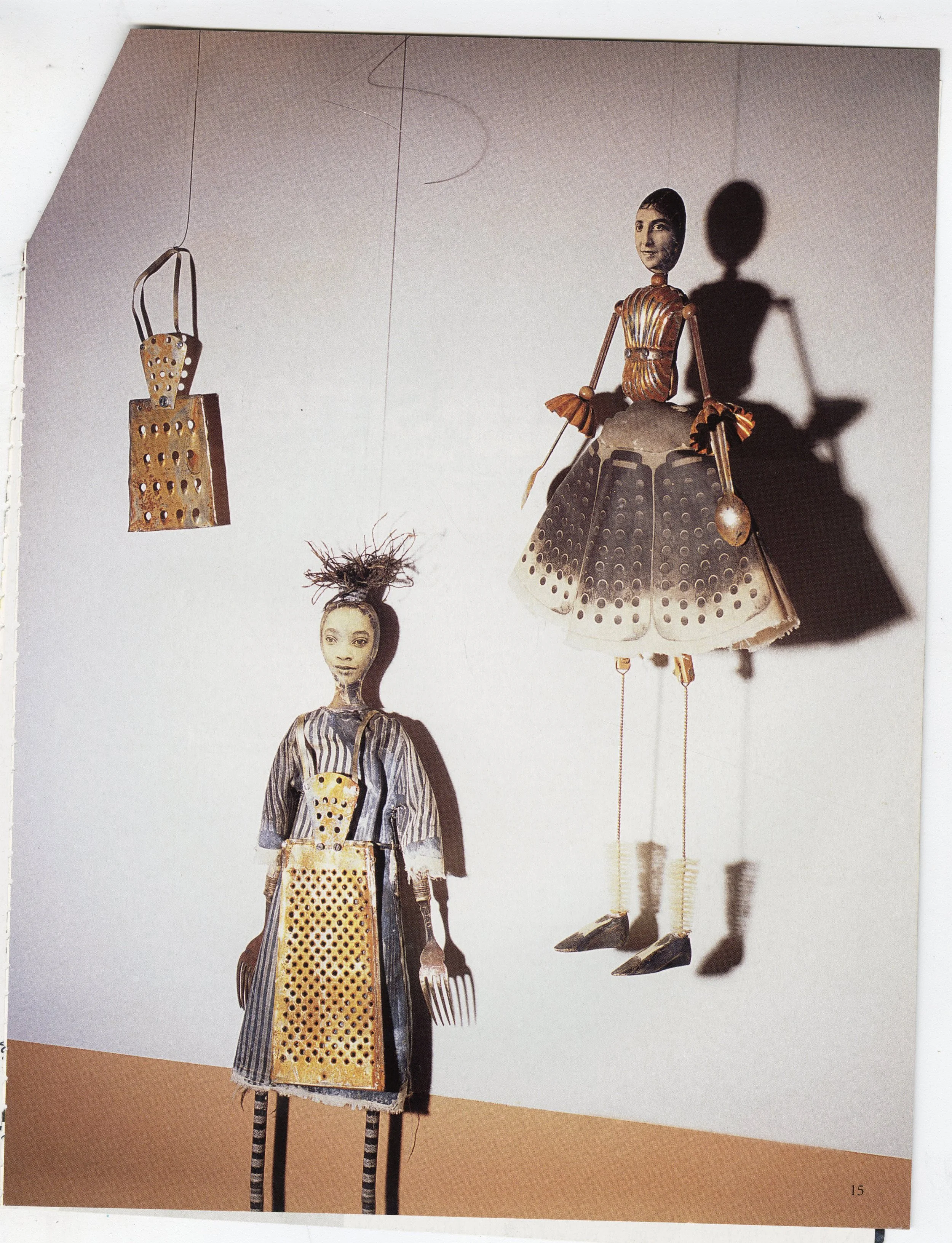
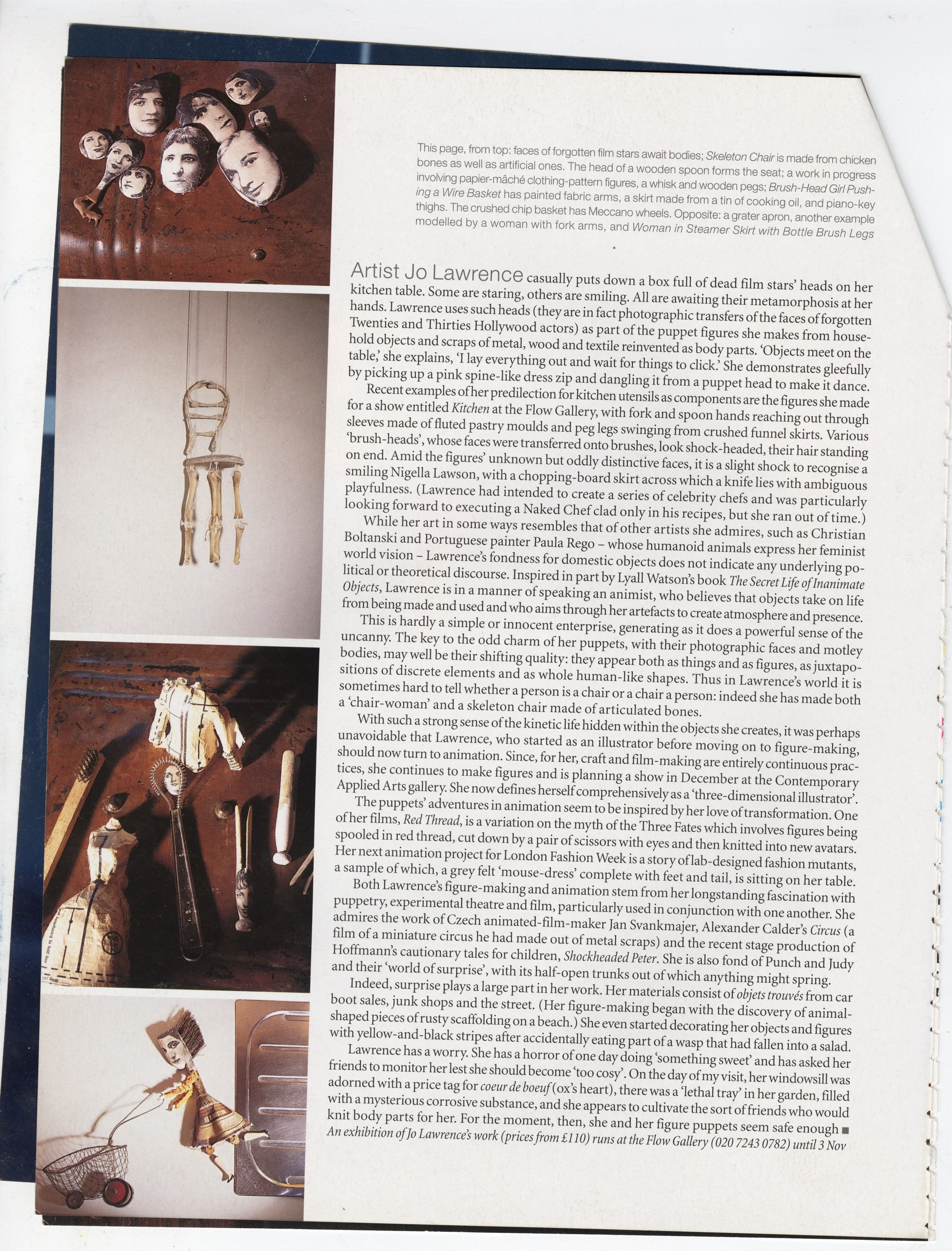
“Consider a table laid for a formal meal.… It may be, you think, beautiful and complete in itself. But in truth it awaits human use for the order to have sense. The table is prepared for a drama of communion and conversation that requires the presence of living persons to bring it to life, though the objects on the table will contribute their own talents for, say, cutting and lifting. But if that table were the whole of your world, if this were your only theater, lacking any human performers, you would have to make its contents serve for a different kind of drama. You’d have to consider different sorts of vested interests, conflicts, and affiliations; you’d learn a different patience, a different sense of scale. You would learn to recognize the acting talents of a fork; you would want to discover the comic timing of a corkscrew… In the end, you may decide there are better actors among what is left after the table is abandoned by the diners—the stained plates and half-filled glasses, the hollow shell of a lobster.”
— Kenneth Gross, An Essay on Uncanny Life
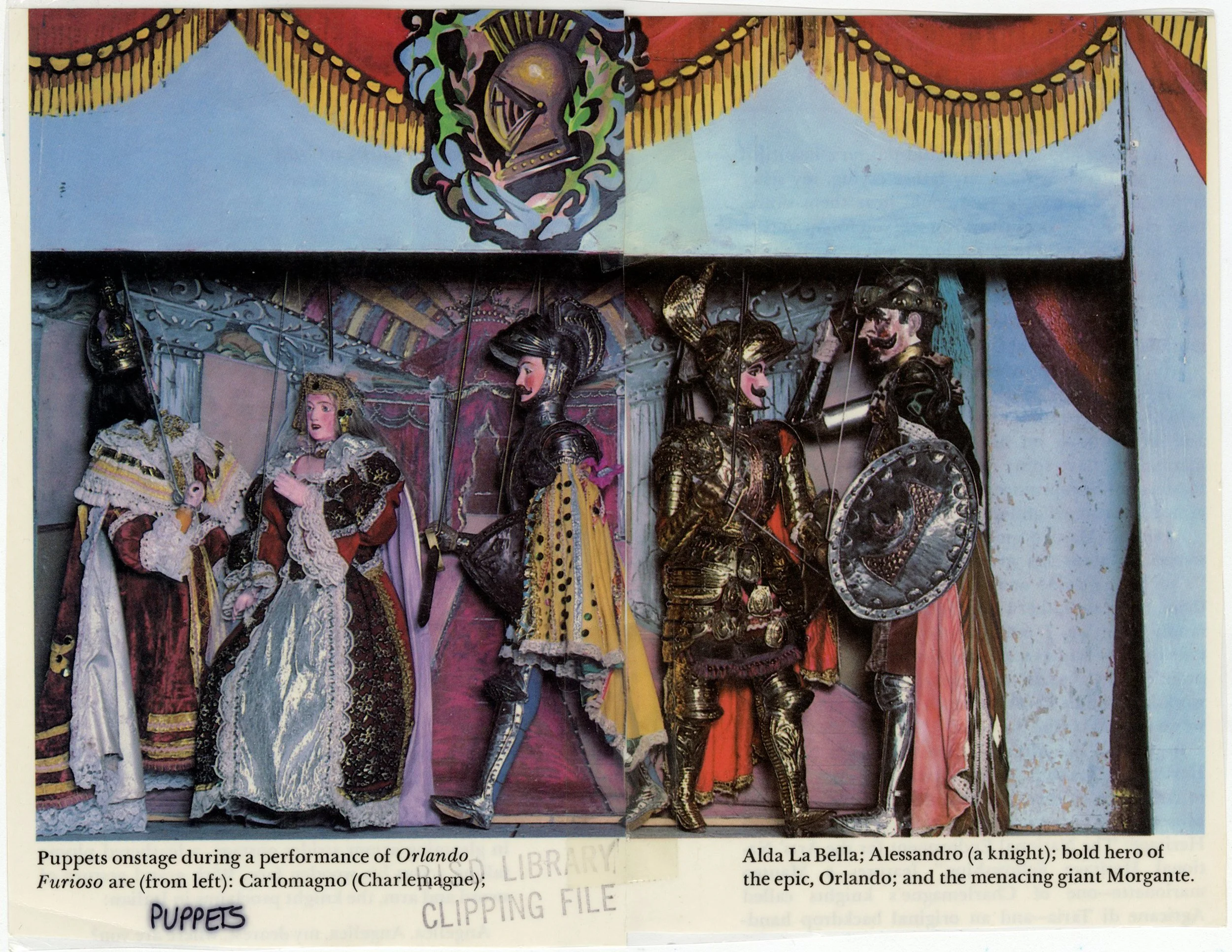
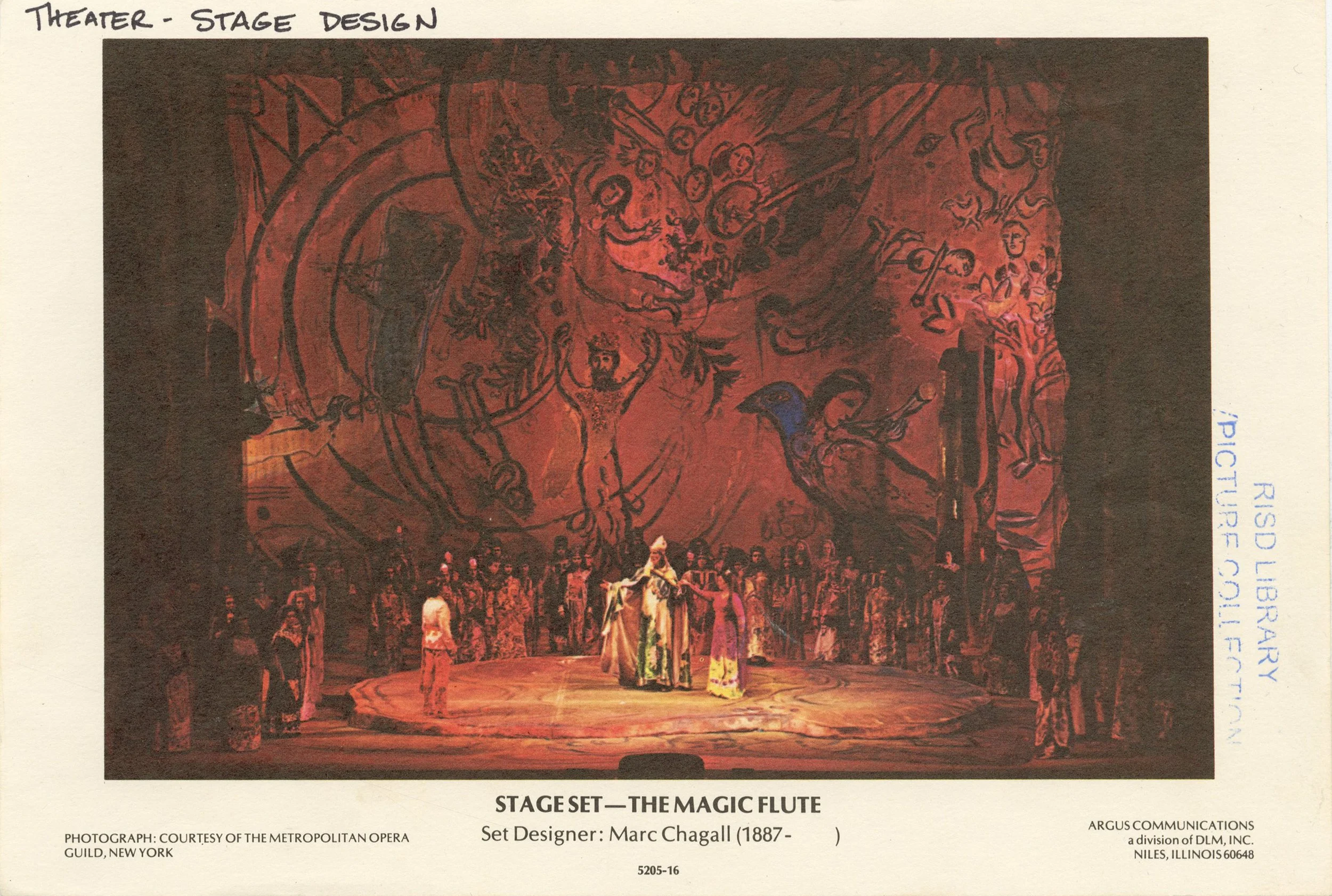
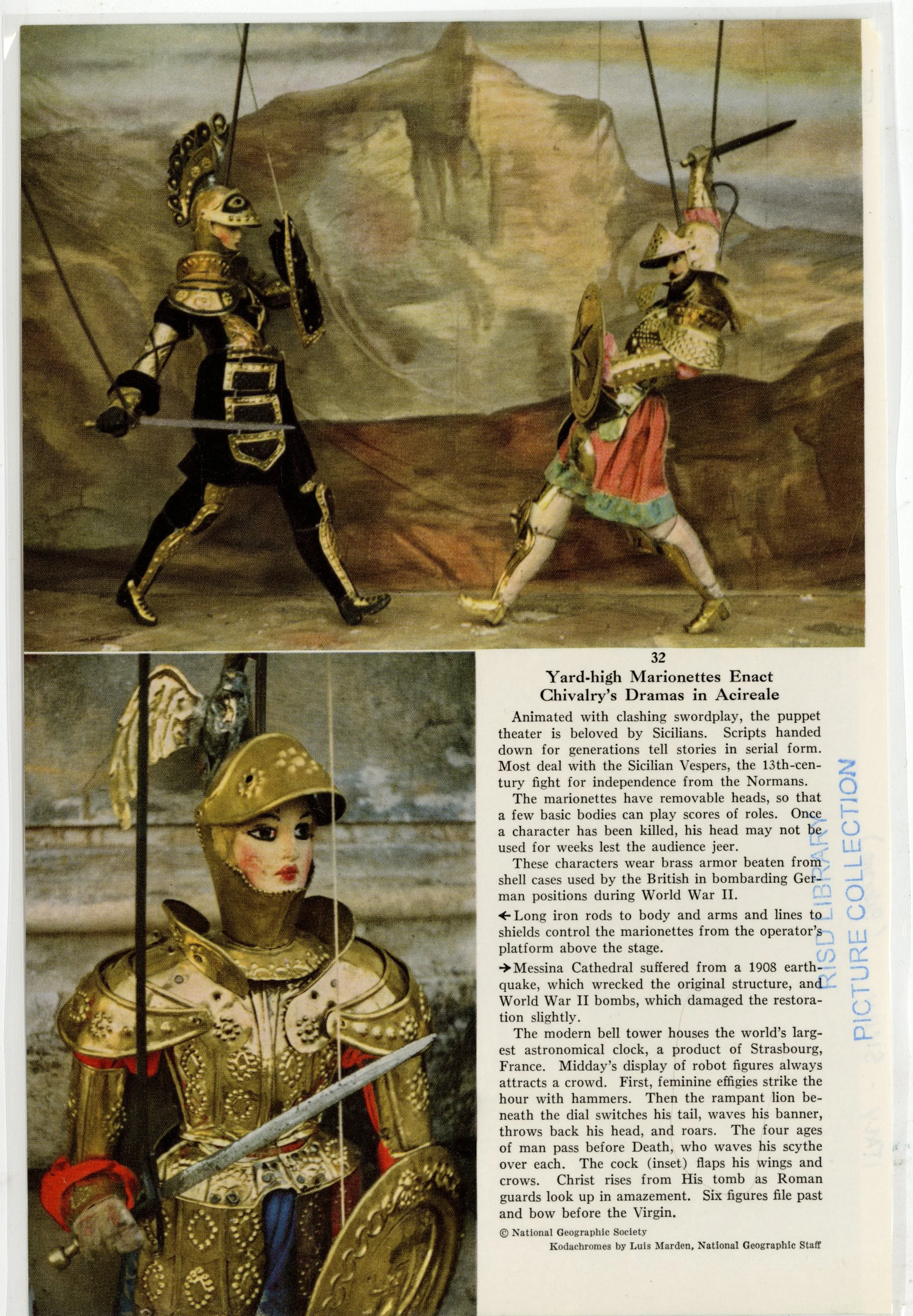
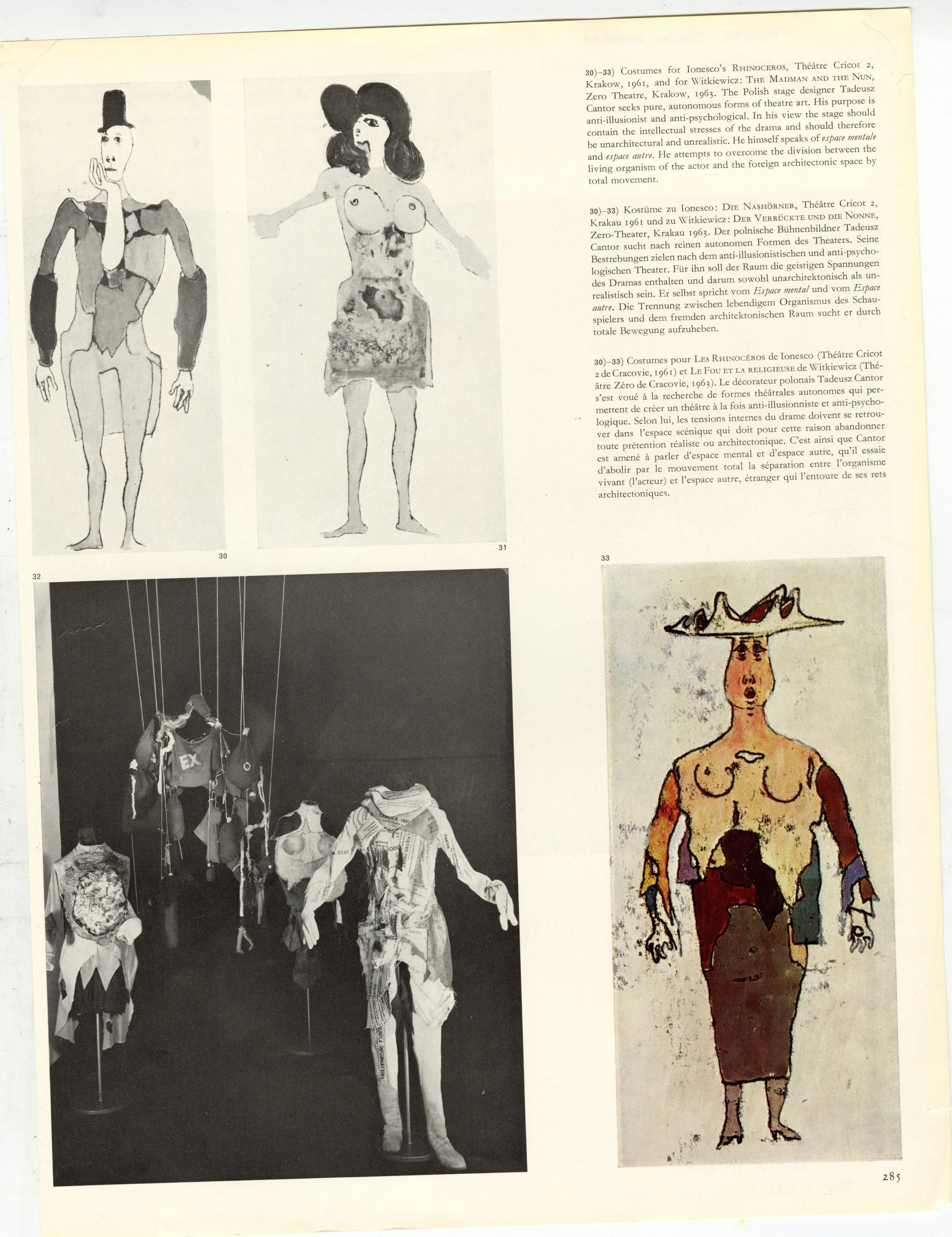
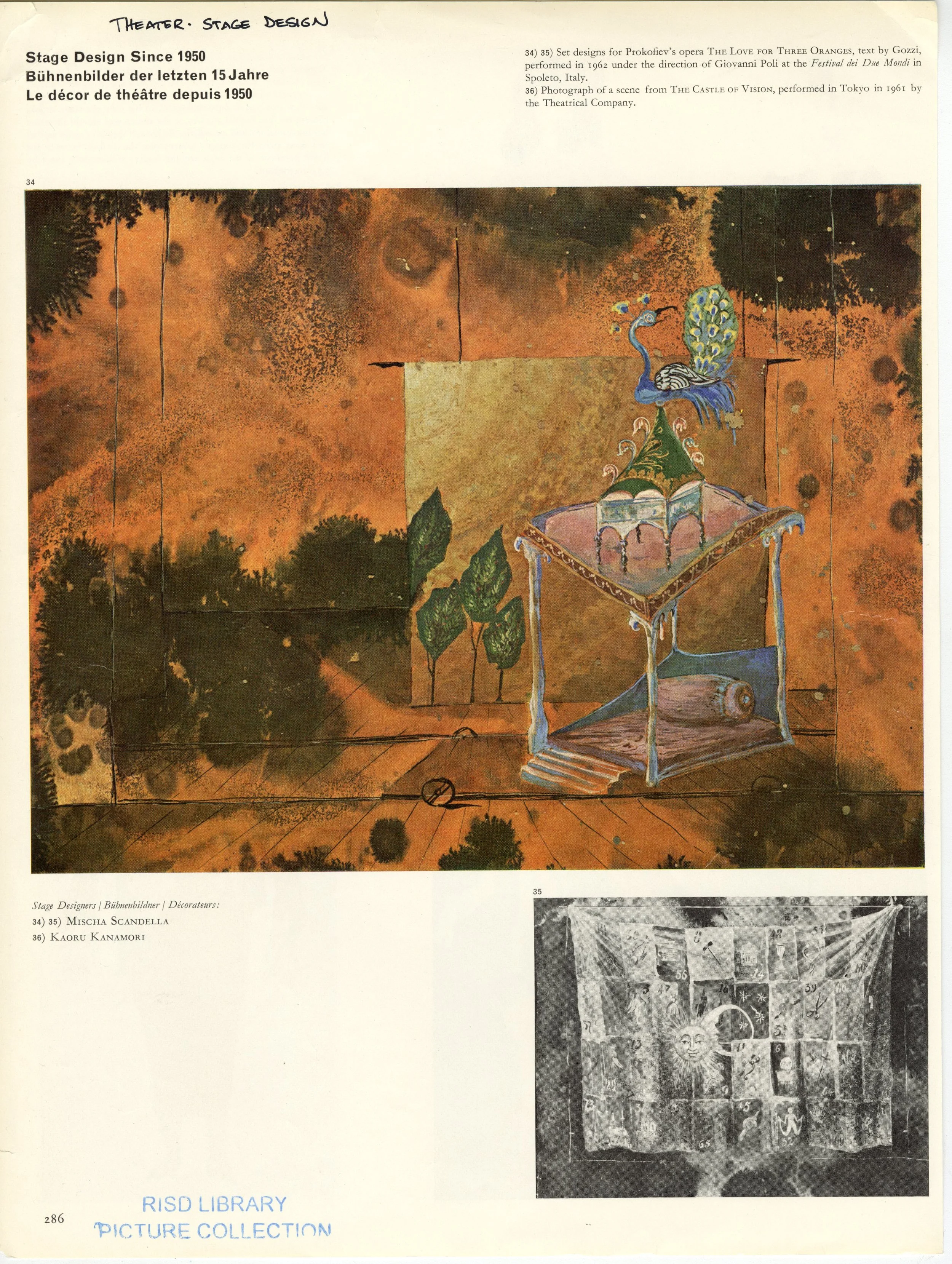
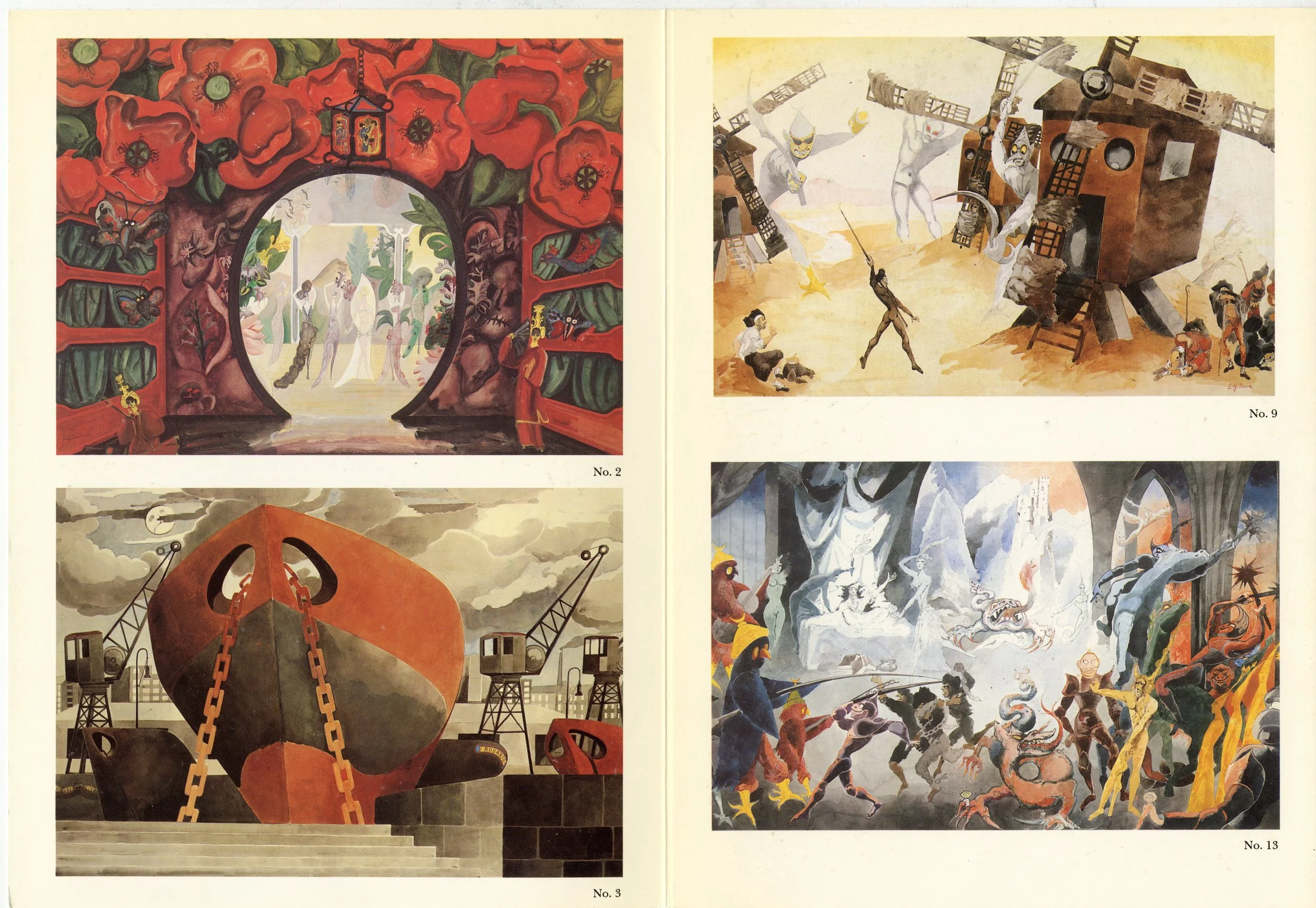
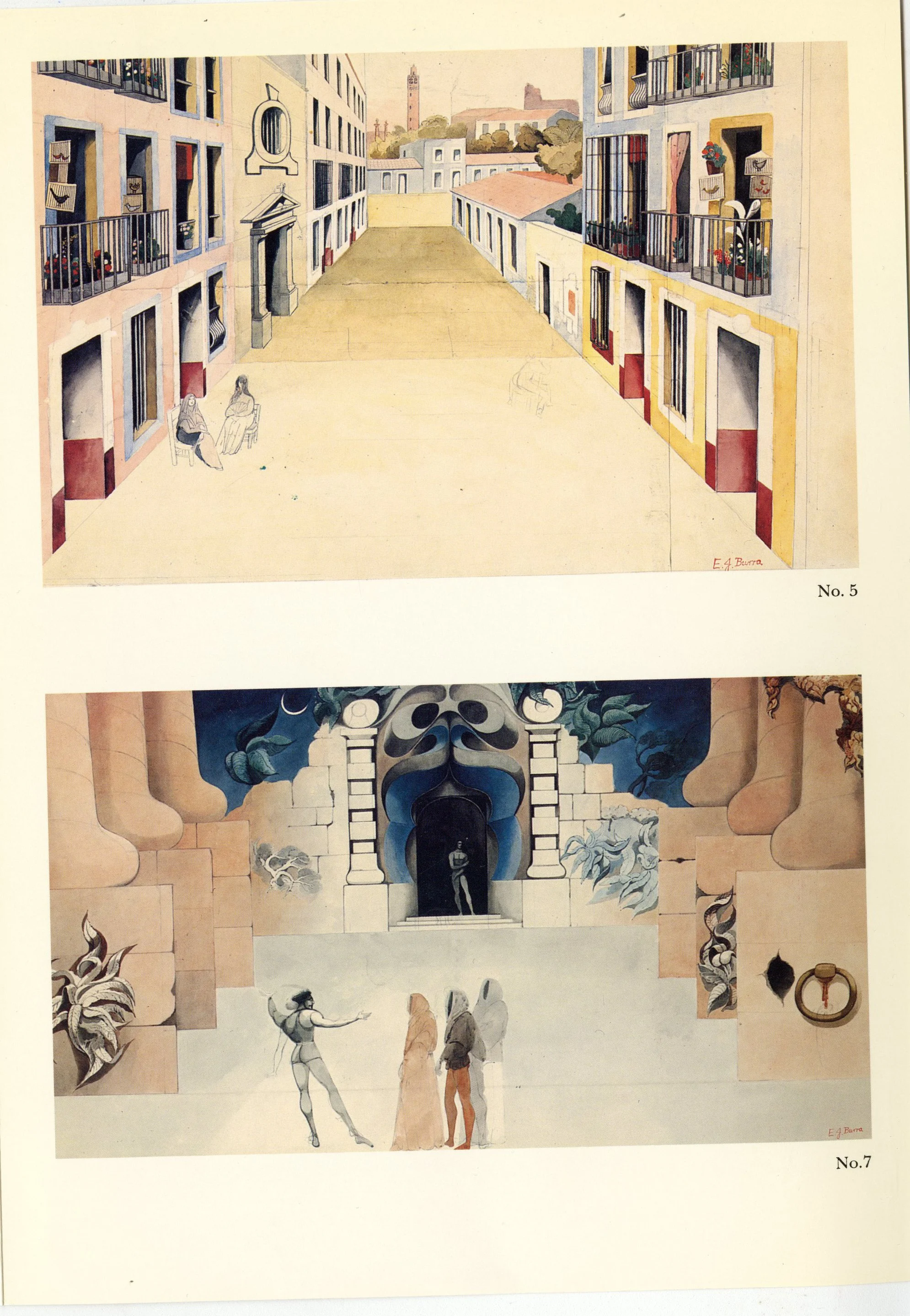
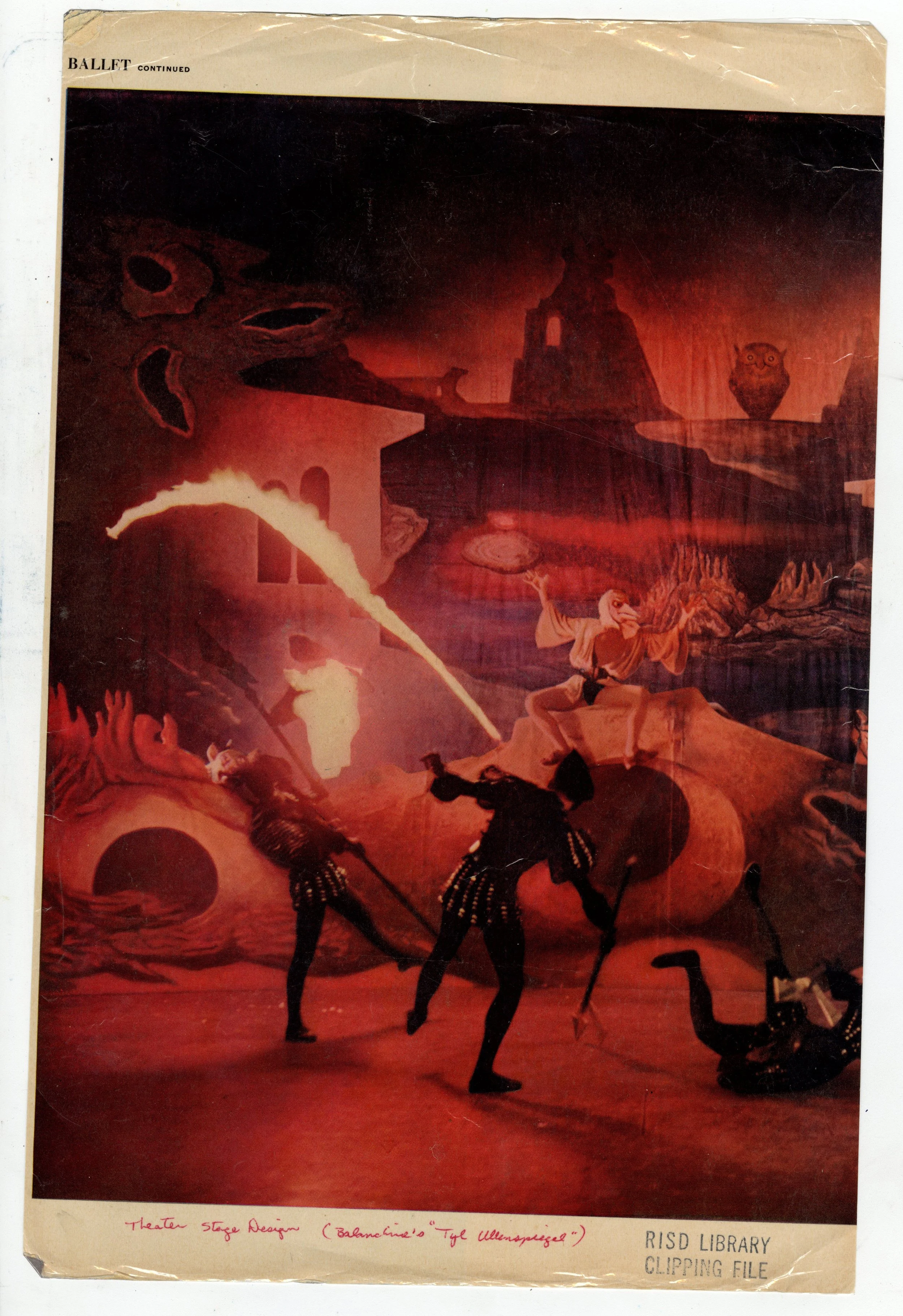
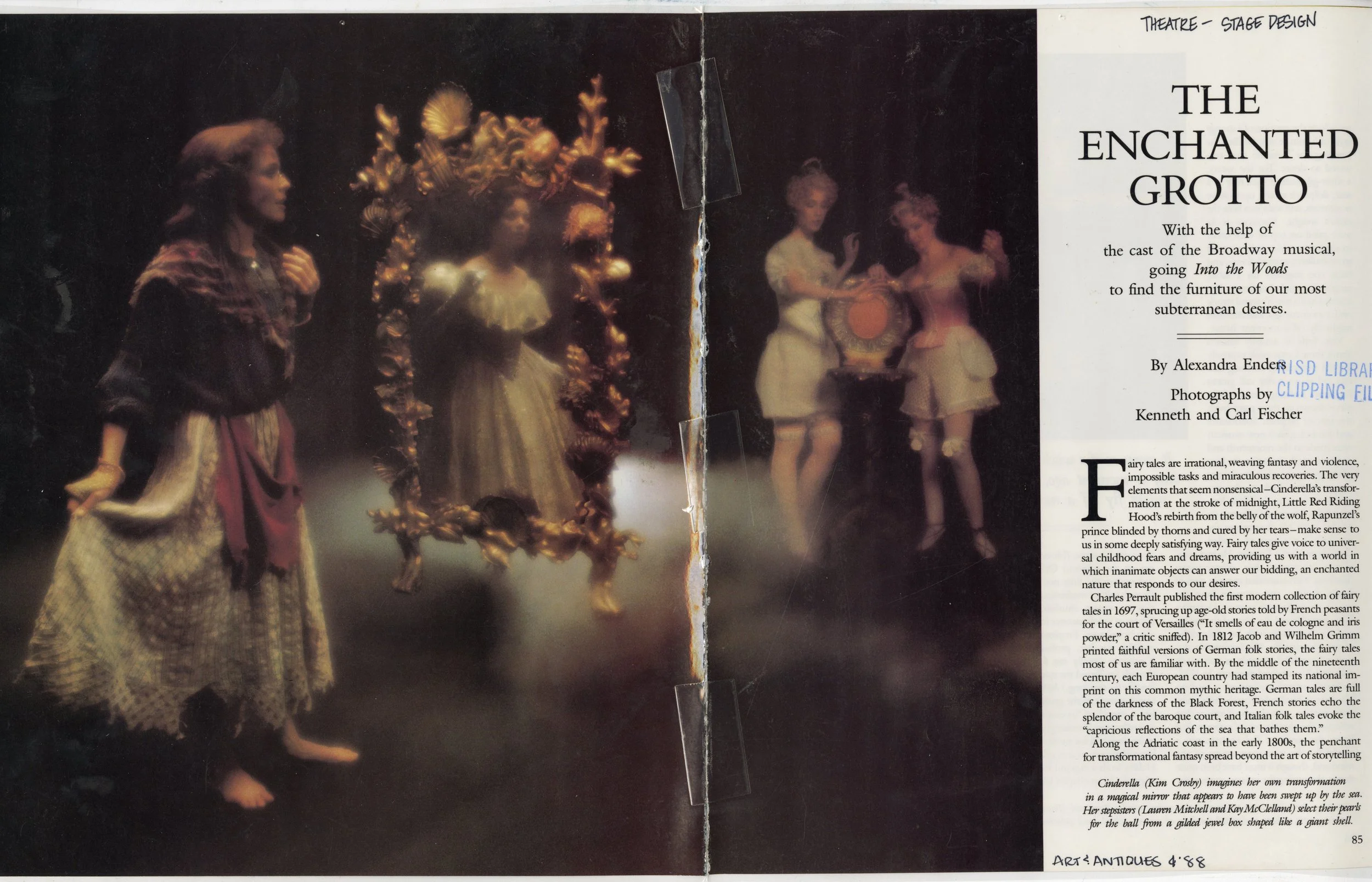
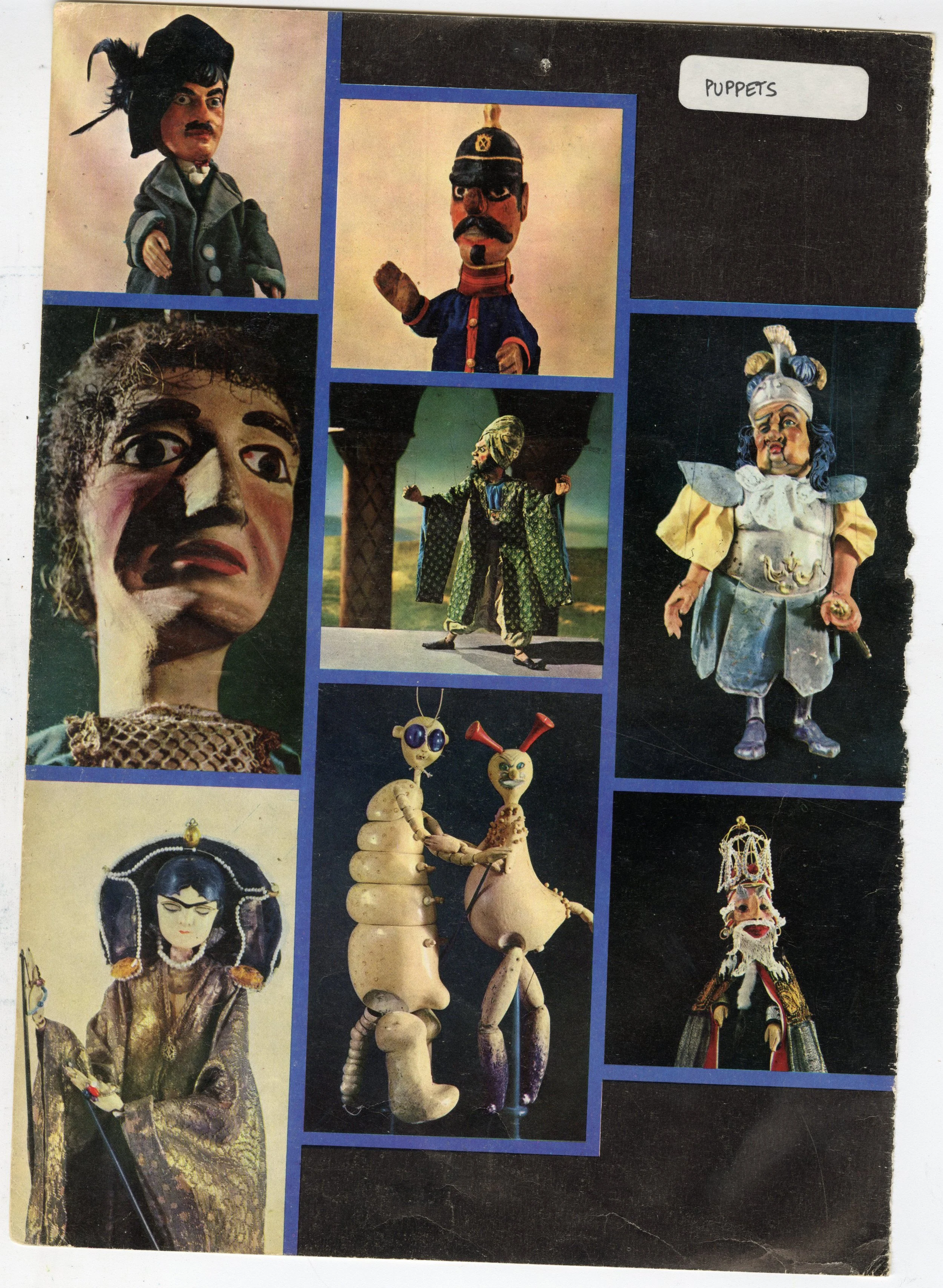
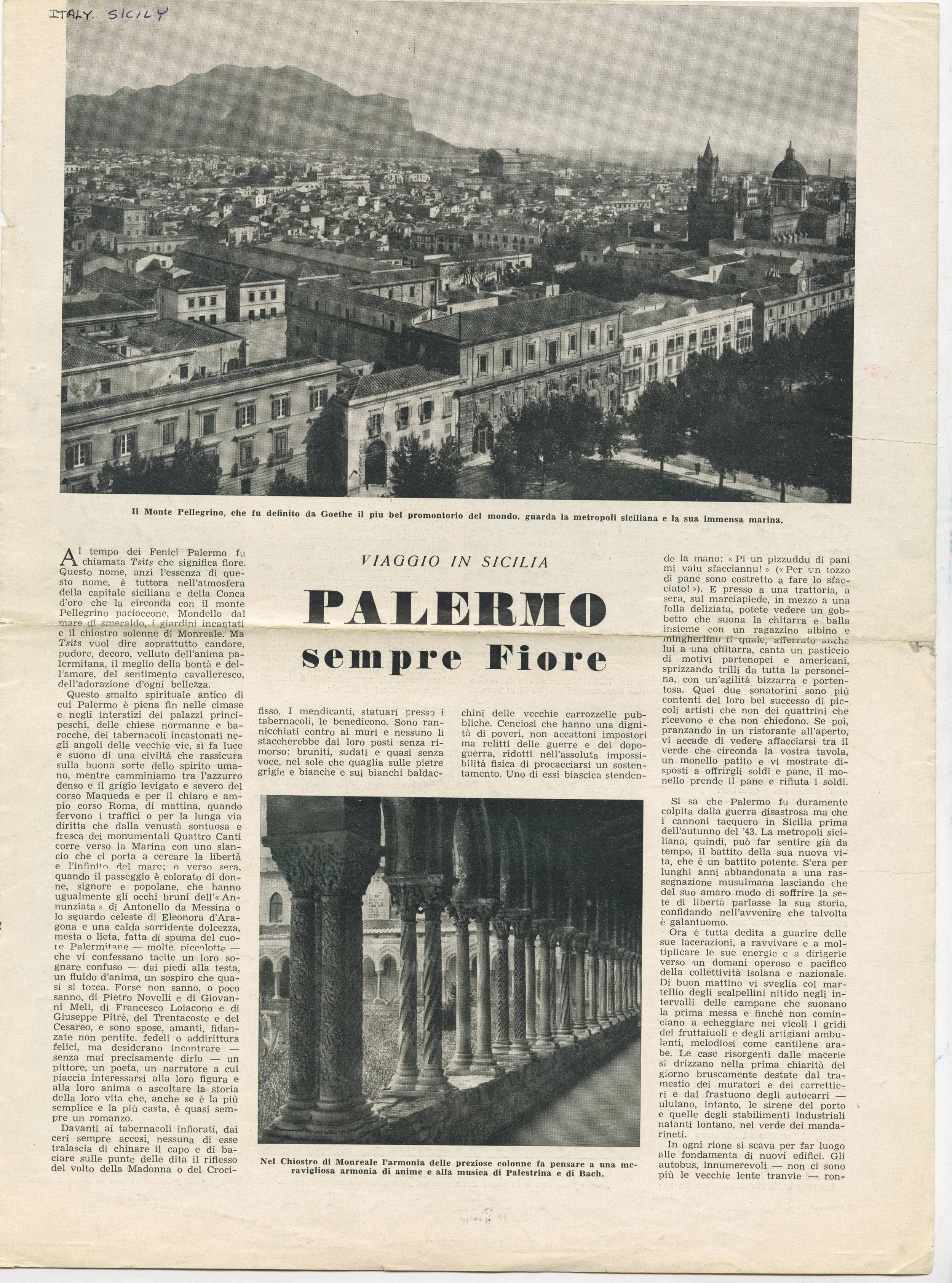
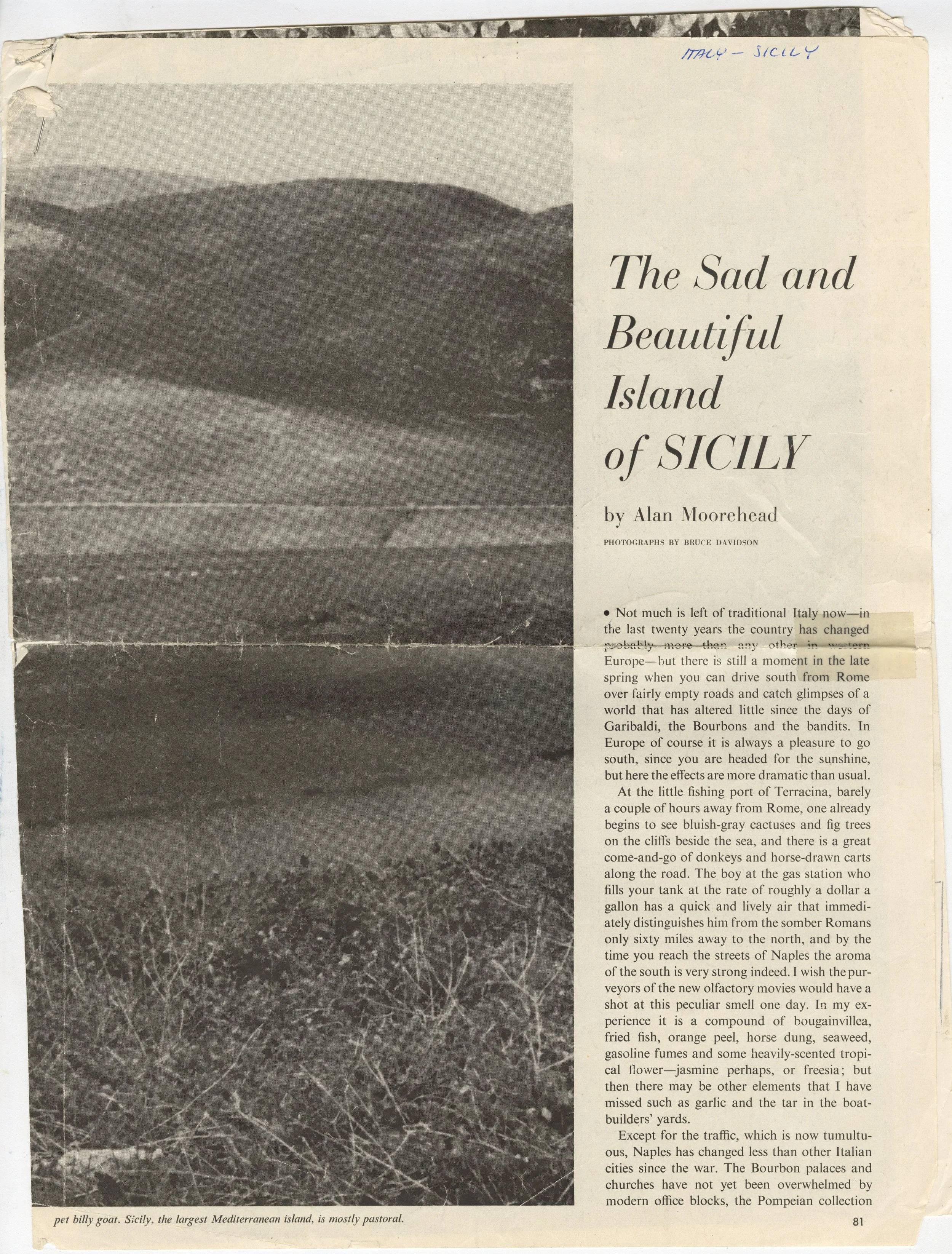
My obsession with theatre runs true, as that was once my “dream job.” That is, being on Broadway, so when the idea of puppetry found its way into my practice, it was no shock. Gae Aulenti’s final project, Palazzo Branciforte in Palermo, includes an open multi-level, timber-framed puppet hall (if there is such a thing? And if not, there should be). As a result of many wars and bombs, the now airy oasis of steel reinforcement and nooks of beams older than my great-great-grandfather creates a home for colorful Sicilian puppets. Within the structural ruin, many worlds assembled, awaiting a hand in the second act.
It’s rare that these research obsessions lead to anything concrete, and yet when it came time to choose my course for Wintersession, puppetry happened to be on the list. A no brainer! I enrolled, and the rest is history.
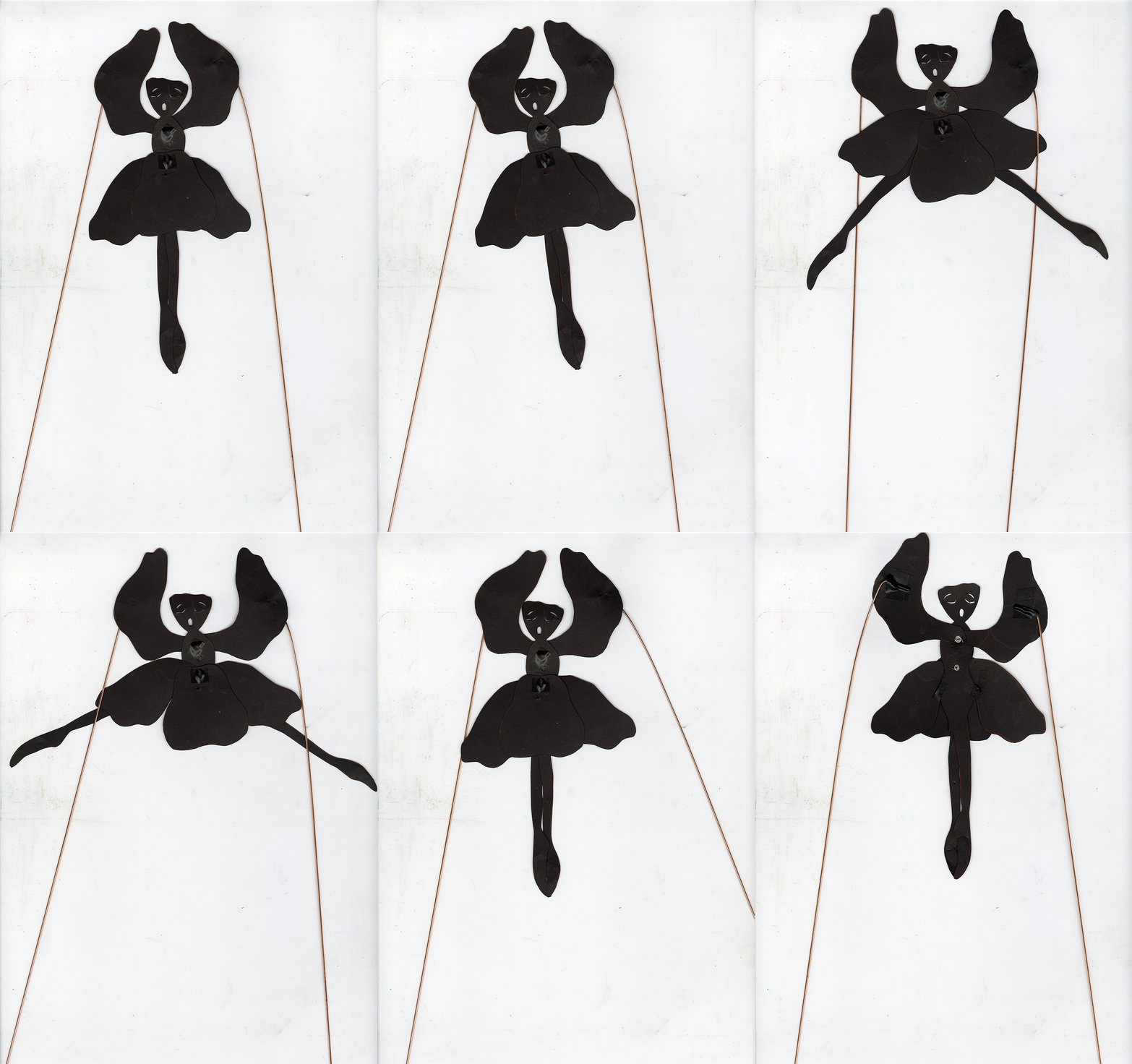
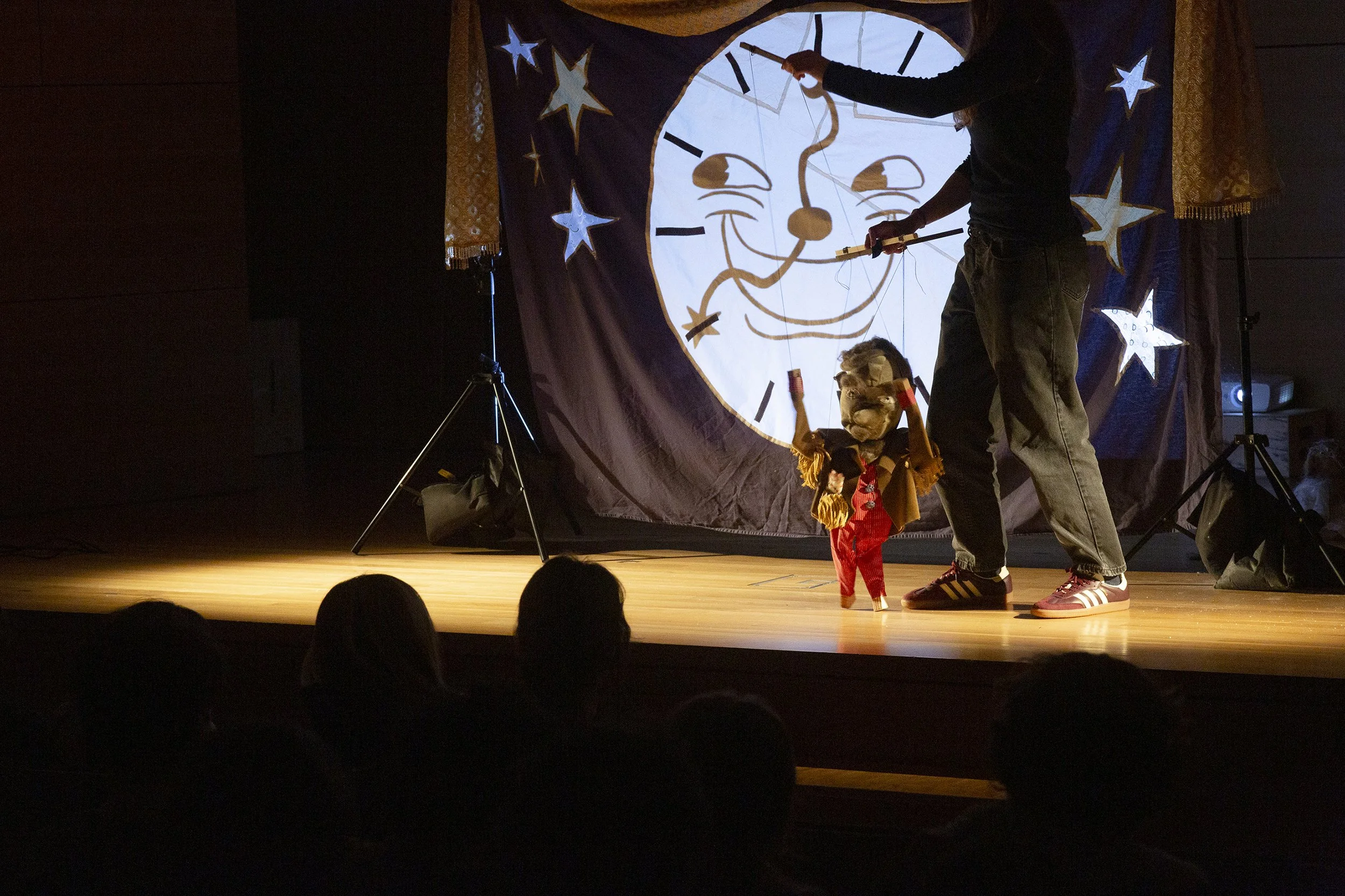
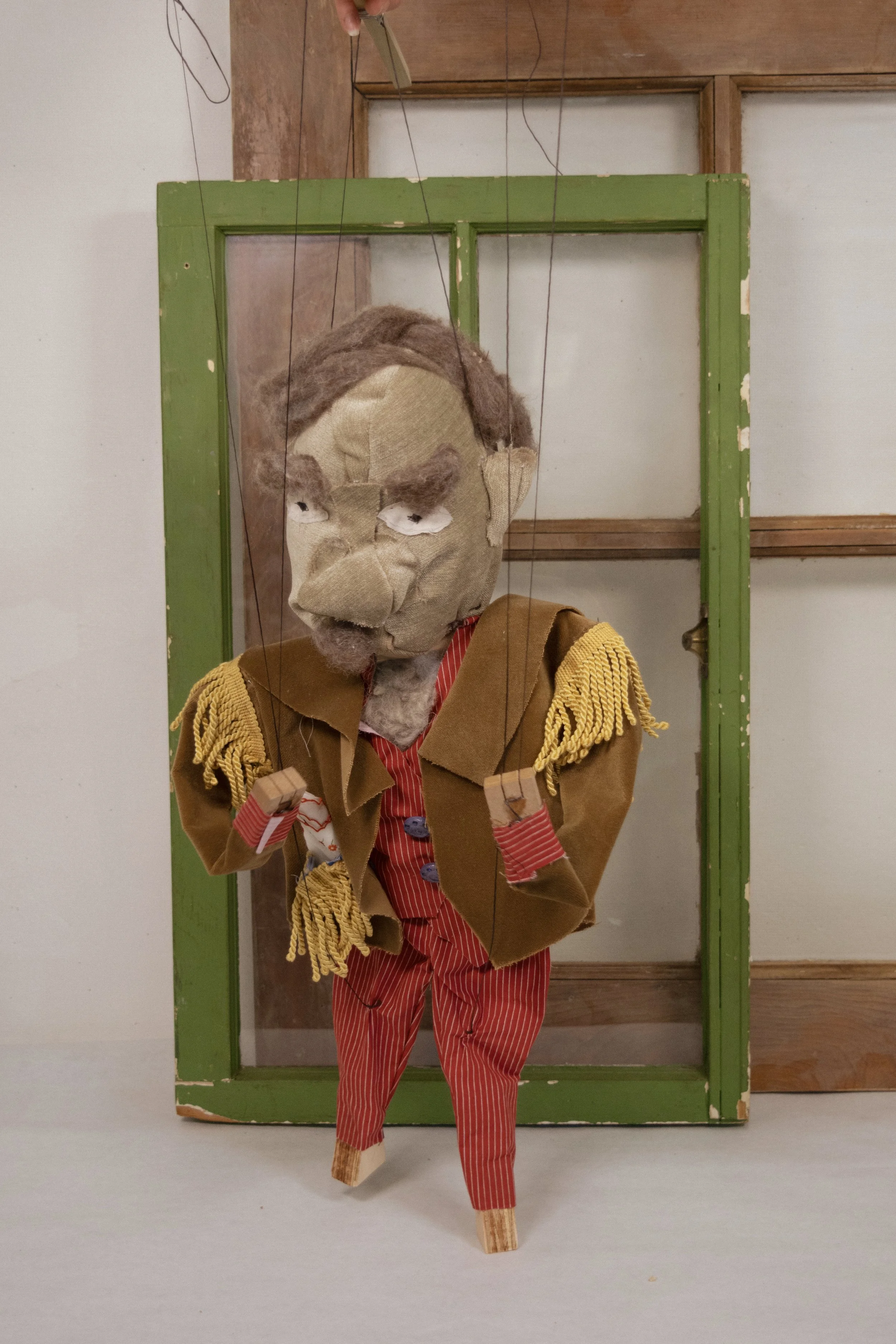
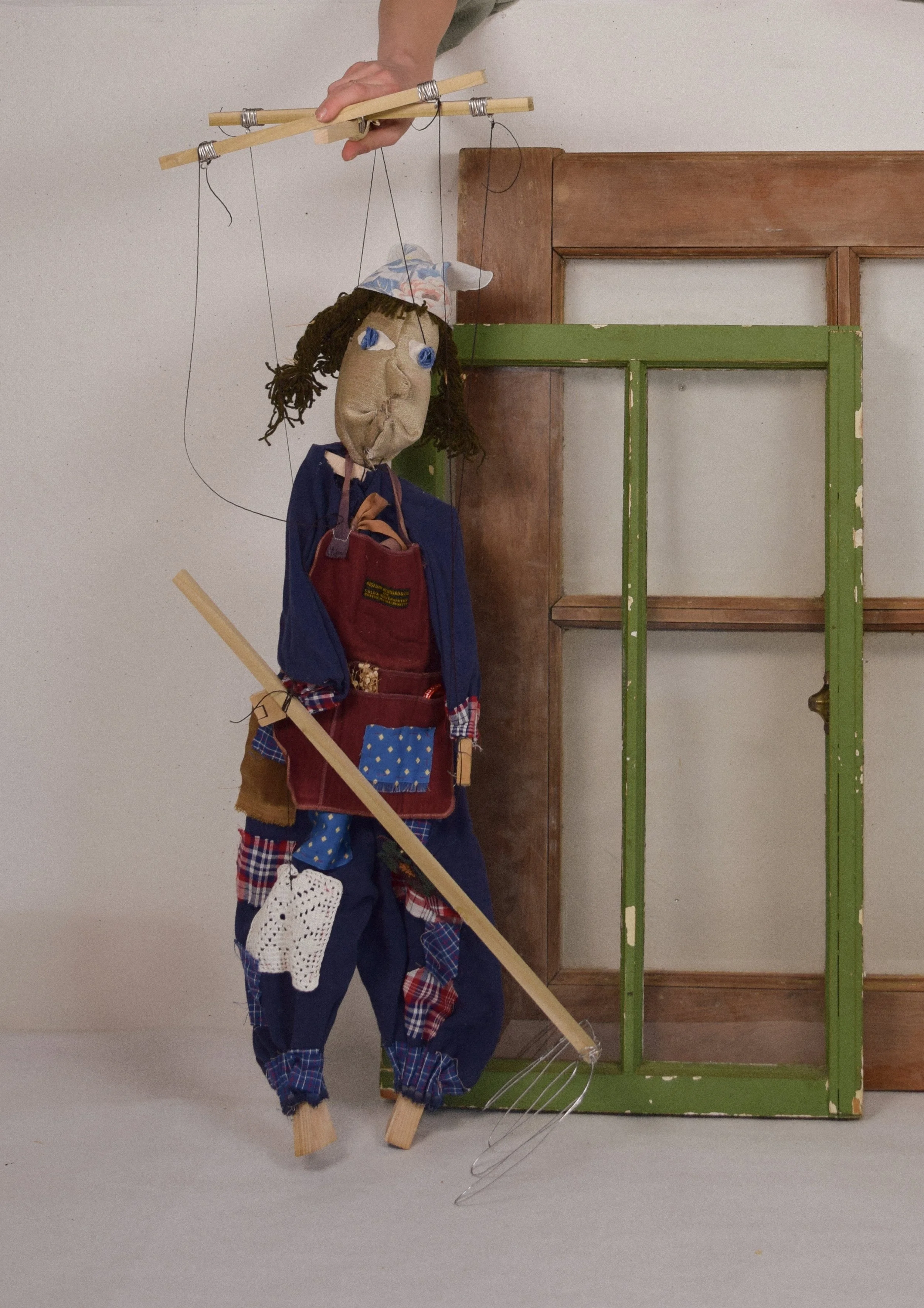
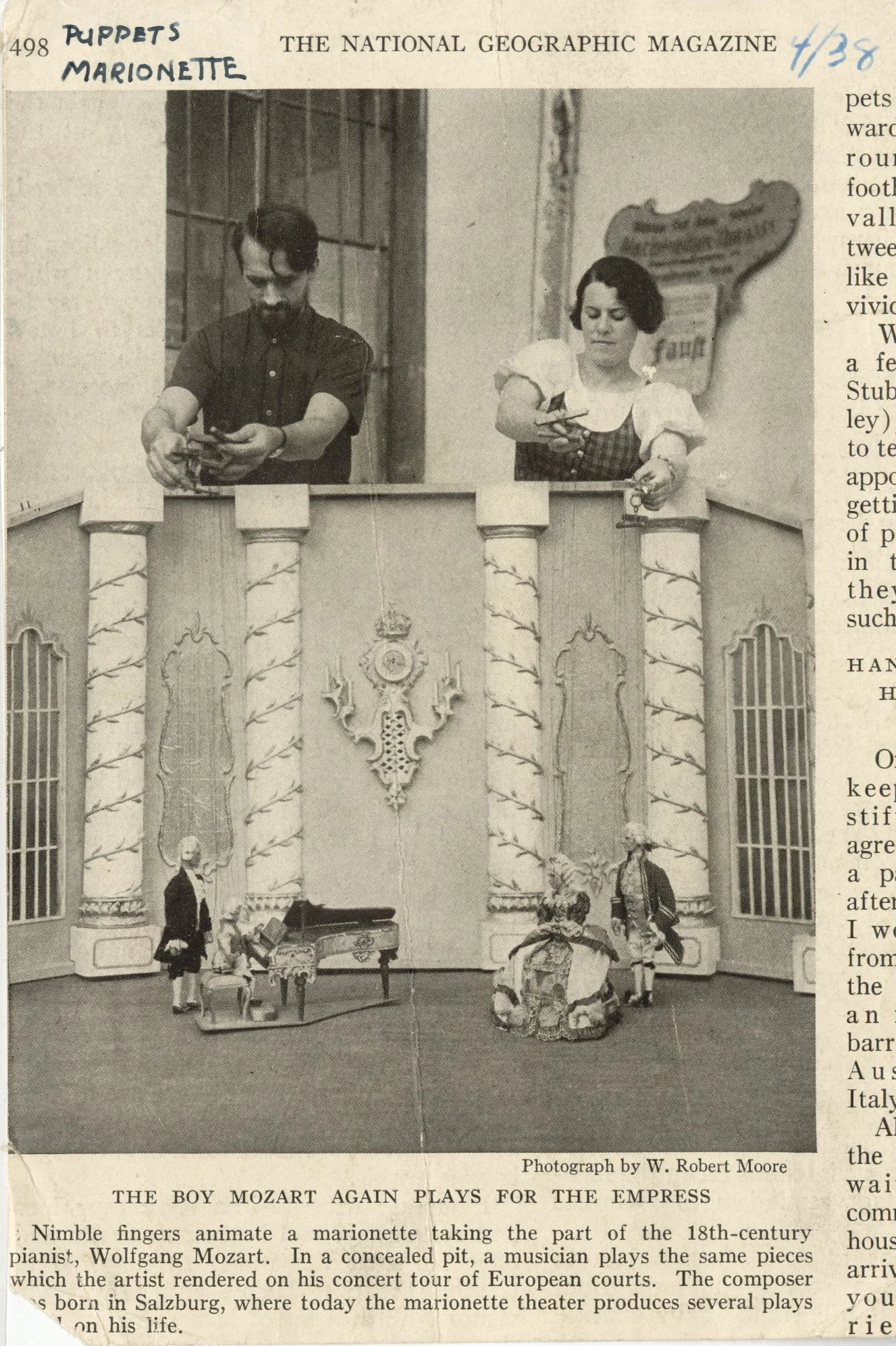
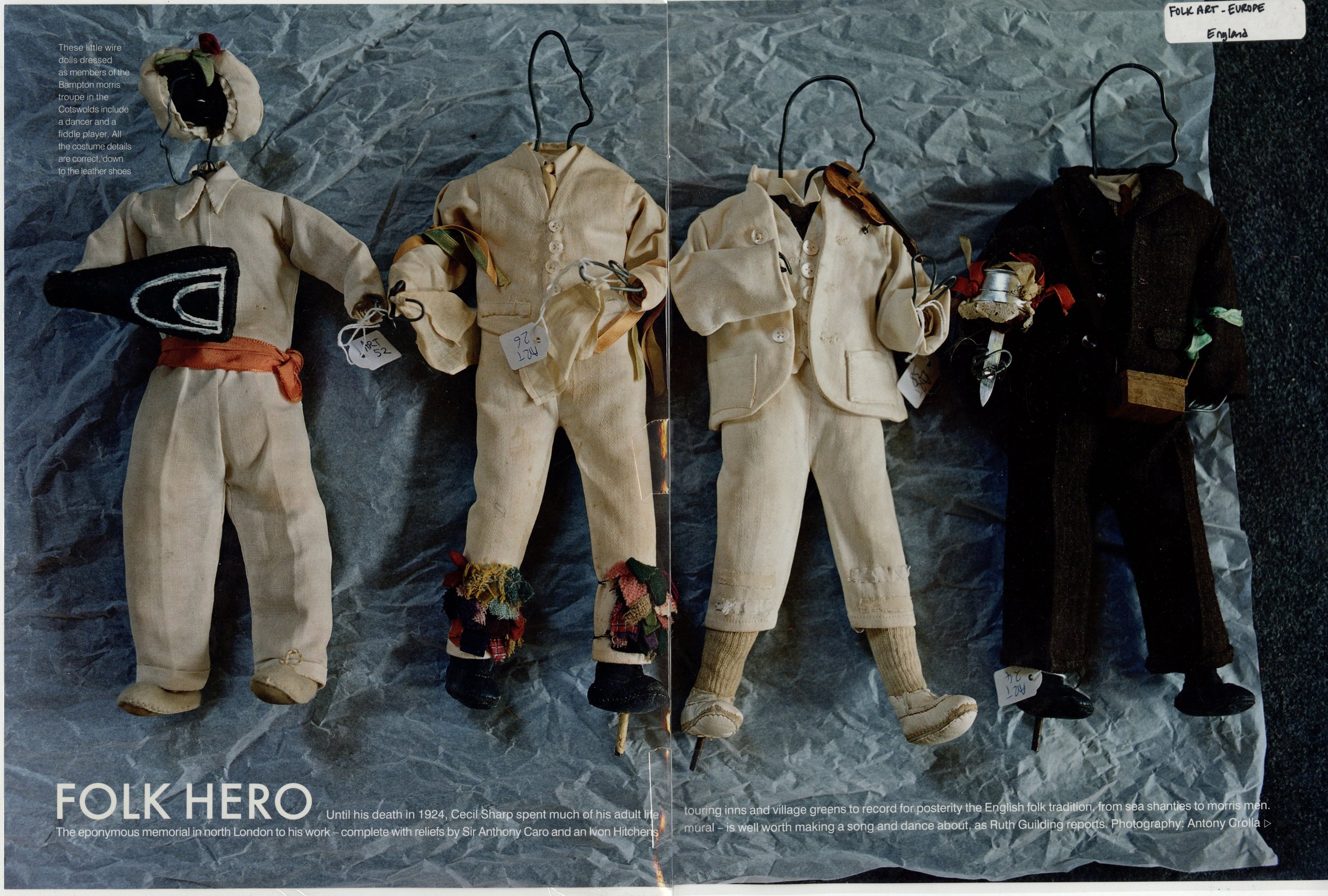
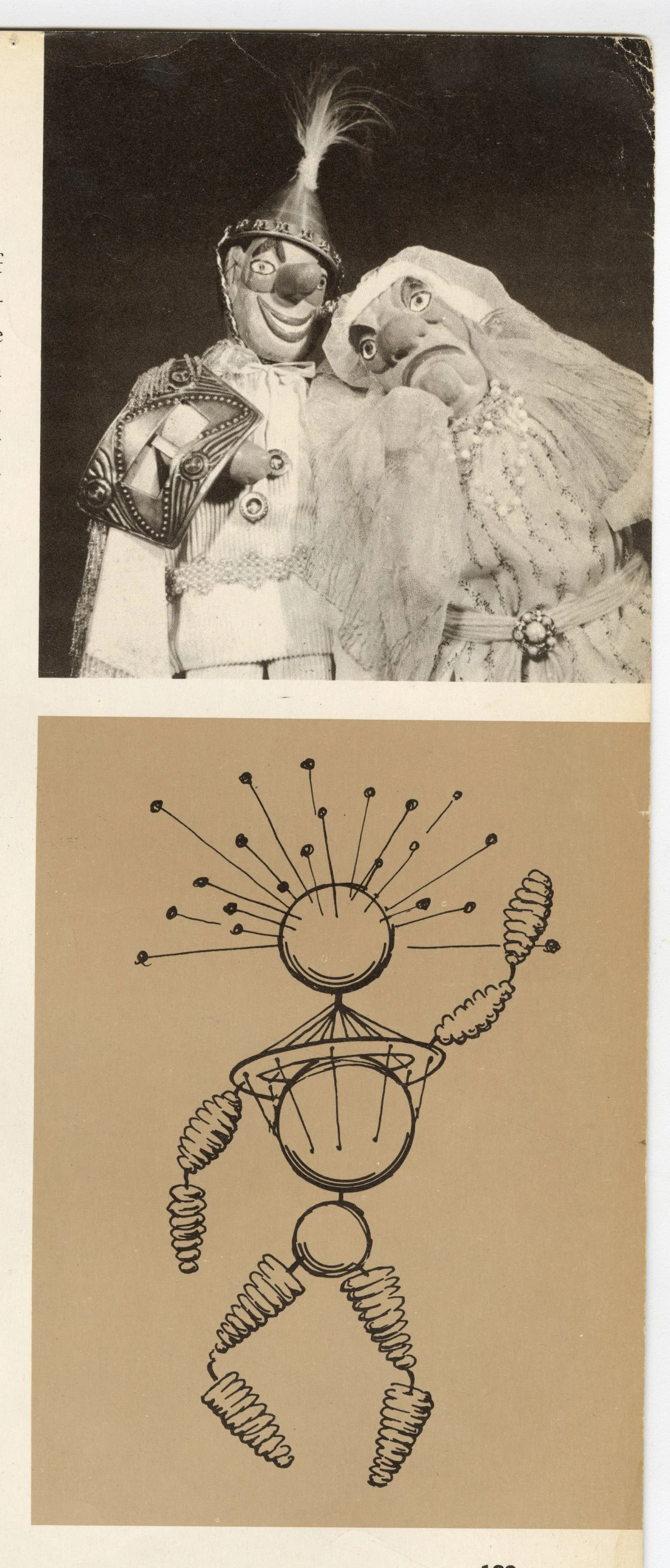
Over six weeks, the class explored and studied three techniques of puppetry: object, shadow, and Bunraku-style. The final performance was left to our imagination, and naturally, ensembles formed. My final performance was inspired by the Sicilian Folktale, The Barber’s Clock, and featured hand-sewn, marionette-style puppets made from salvaged textiles and found objects.